
Planning to climb Mount Rinjani? Learn whether you can do it with or without a guide, current regulations, permit limits, best trekking routes, and a complete packing list.

Mount Rinjani is one of Indonesia’s most breathtaking volcanoes and a dream destination for many trekkers. Located on Lombok Island, the mountain offers dramatic views, a stunning crater lake, and a challenging but rewarding climb.
However, many travelers still ask the same question: Can you climb Mount Rinjani with or without a guide?
The answer is clear and important to understand before planning your trek.
Can You Climb Mount Rinjani Without a Guide?
No. For foreign visitors, climbing Mount Rinjani without a guide is not allowed.
Under current regulations, foreign nationals are required to trek Mount Rinjani with a licensed local guide. Solo trekking or unguided climbs are prohibited, and you will not be allowed to enter the national park without proper registration.
This rule exists to improve safety, protect the environment, and manage the increasing number of visitors. Rangers check permits at entry points, and trekkers without a guide may be denied access.
Why Hiring a Guide Is Mandatory
For some people, Mount Rinjani is not an easy hike. The terrain includes steep slopes, loose volcanic sand, and rapidly changing weather conditions. A licensed Rinjani trekking guide is trained to manage routes, weather risks, and emergencies.
Guides also ensure trekkers follow park rules, stay on designated trails, and camp only in approved areas. This helps protect the fragile ecosystem and keeps the mountain safe for everyone.
Guide and Group Size Regulations
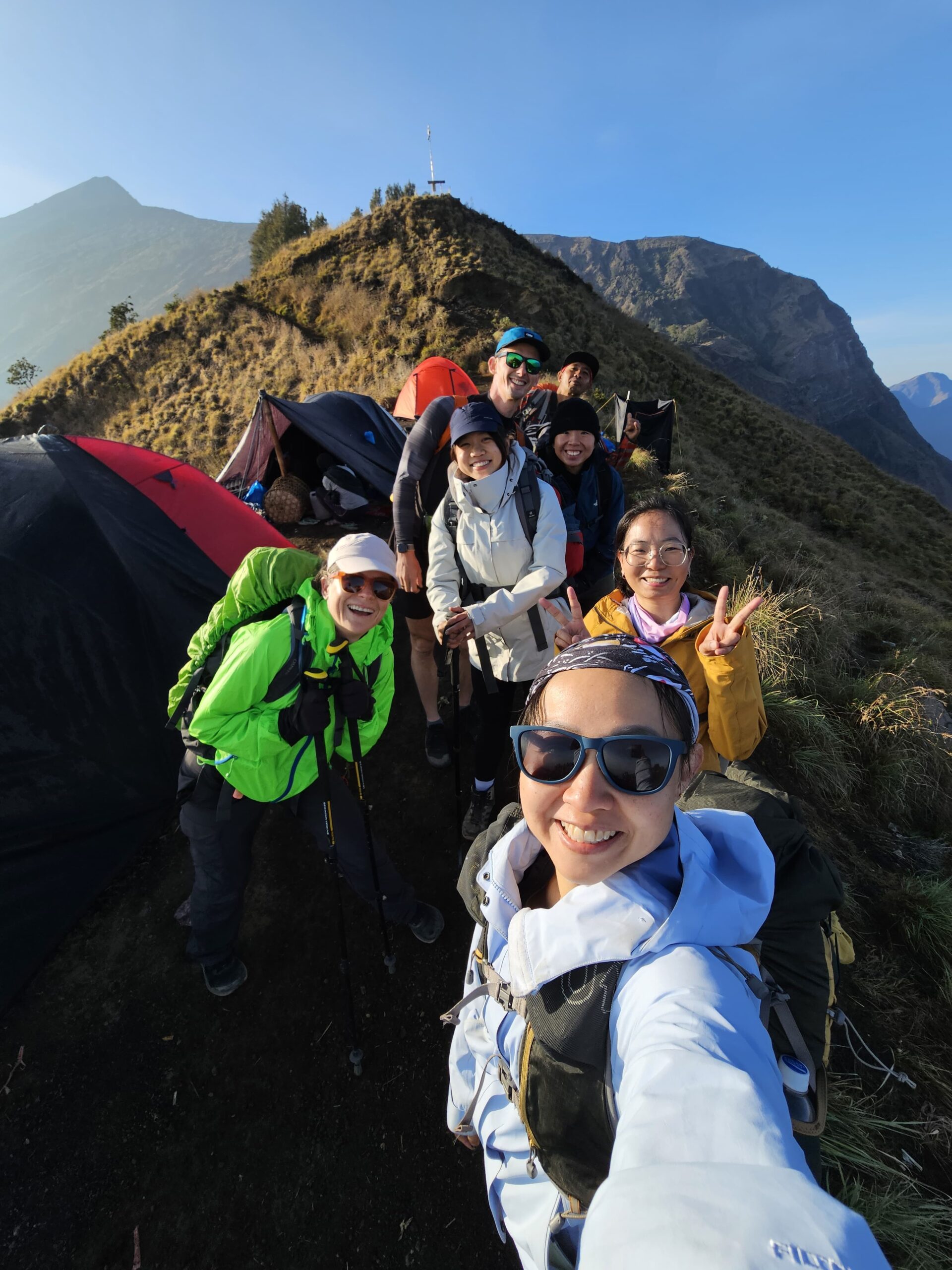
To maintain safety and quality control, one guide is allowed to lead a maximum of five trekkers. Smaller groups make it easier to manage pace, provide assistance, and reduce environmental impact.
This rule also ensures that every trekker receives enough attention, especially during difficult sections like the summit climb.
Maximum Trekking Duration: 4 Days Only
Trekkers are only allowed to stay on Mount Rinjani for a maximum of four days. This regulation helps prevent overcrowding at campsites and protects the natural environment from overuse.
Most treks range from two to four days, depending on the route and whether you aim to reach the summit or focus on the crater lake.
Daily Permit Limit: Only 700 Trekkers
To control the number of visitors, only 700 trekking permits are issued each day across all routes. Once permits are sold out, no additional trekkers are allowed to enter the park.
Because of this limit, booking your guide and permits in advance is highly recommended, especially during peak trekking season.
Best Mount Rinjani Trekking Routes
Sembalun Route
The Sembalun route is the most popular choice for summit climbs. It starts with open savanna landscapes and gradual ascents. The final summit push is steep and sandy, making it physically demanding but very rewarding. This route is ideal for trekkers aiming to reach the peak.
Senaru Route
The Senaru route is known for its lush forests and scenic views. It is often chosen by trekkers who want to explore the crater lake, Segara Anak, rather than focus only on the summit. This route feels more shaded and is popular for combination treks.
Combination Routes
Many guided treks combine Sembalun and Senaru routes for a complete experience. Other routes, such as Torean, are more scenic and quieter but require strong fitness and experienced guides.
Your guide will help choose the best route based on weather, permits, and your ability.
Sample Packing List for Mount Rinjani Trek
Packing correctly makes a big difference on Mount Rinjani, especially due to cold nights and changing weather.
- Bring lightweight, quick-dry trekking clothes, plus a warm jacket and windproof outer layer. Temperatures can drop significantly near the crater rim and summit. Gloves, a hat, and extra socks are strongly recommended.
- Sturdy trekking shoes with good grip are essential. The trails can be dusty, rocky, and slippery. Sandals are useful for resting at camp.
- Carry a small daypack with water, snacks, sunscreen, sunglasses, personal medication, and a headlamp or flashlight. Wet wipes, basic toiletries, and a reusable water bottle are also helpful.
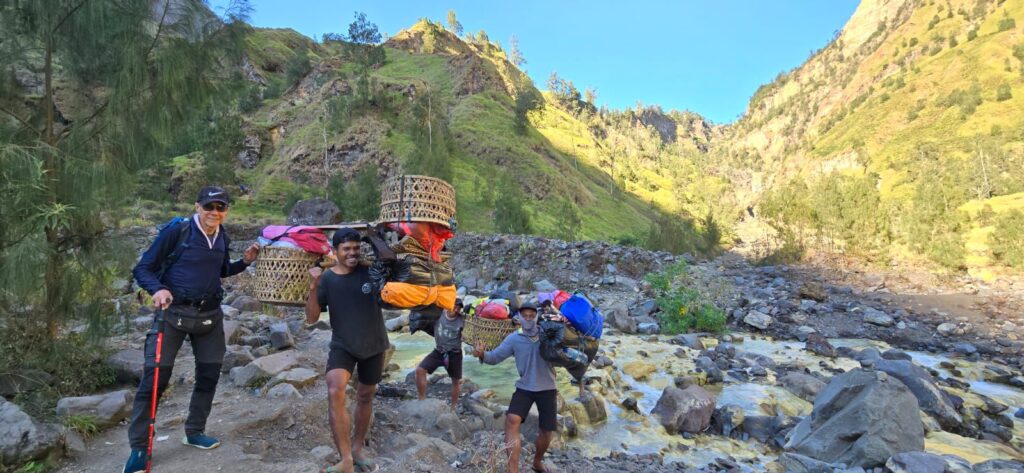
Most guided treks include tents, food, and cooking equipment, carried by porters, but always confirm this with your trekking provider beforehand.
Supporting the Local Economy by Hiring a Guide

Hiring a local guide and porter does more than keep you safe, it directly supports communities around Mount Rinjani. Most guides and porters come from nearby villages and rely on trekking tourism for their income.
By trekking responsibly, you help create jobs, support families and encourage sustainable tourism. Treating porters fairly and choosing ethical trekking operators makes a real difference.
Read also The Ultimate Mount Rinjani Trekking Guide 2026 and be inspired!